In general, it takes years for alcoholic neuropathy to develop, so a long-standing history of heavy alcohol use is typical. Alcoholic neuropathy is also caused by nutritional deficiency, as well as toxins that build up in the body. Alcohol decreases the absorption of nutrients, such as protein and vitamin B12, causing significant deficits that affect many areas of the body, including the nerves. In general, it takes years for alcoholic neuropathy to develop, so a long-standing history of heavy alcohol use is typical. Some people experience a faster onset and progression of alcoholic neuropathy than others.

How is Alcoholic Neuropathy Diagnosed?
In addition, a support group can help you cope with the life changes you’re experiencing as a result of your condition. You might look for a support group specifically for alcoholic neuropathy or for people coping with chronic pain. You may also benefit from a support group to help you reduce your drinking or completely quit drinking alcohol. The diagnosis of alcoholic neuropathy involves a combination of medical history, physical examination, and possibly blood tests or nerve tests such as electromyography (EMG) and nerve conduction studies (NCV). Although the final stages of alcoholism can be dire, treatment options are available to help individuals regain control of their health and alcohol neuropathy stages well-being. For those in recovery, it’s important to recognize the signs your liver is healing from alcohol, as these can signal a turning point in the body’s ability to regenerate and function more effectively.
Get a Professional Caretaker
The true incidence of alcoholic neuropathy in the general population is unknown, and figures vary widely depending on the definition of chronic alcoholism and the criteria used to detect and classify neuropathy. There are various vitamins and minerals necessary for the proper functioning of the nerve. When a person drinks too much alcohol, the levels of these vitamins get altered. If the person stops consuming alcohol, their nutritional health can be brought back to normal. Thus, there can be an improvement in the symptoms, and further nerve damage can be prevented. The main toxicity of consuming too much alcohol is related to nerve tissue.
How long does alcoholic neuropathy take to go away completely?
Treatment at a rehabilitation facility typically involves some combination of individual counseling, group therapy, and medical supervision. The risk rises in direct proportion to the length and intensity of alcohol exposure combined with poor nutrition and comorbidities. Something that we think of like an every day, straightforward activity, becomes a struggle and a problem. Loss of balance is also a severe problem, as the person can fall and injure themselves seriously.
Preventing Alcohol Neuropathy
- The condition primarily affects quality of life through symptoms like pain, numbness, and mobility challenges—but it doesn’t directly shorten lifespan in most cases.
- The abnormalities were usually of reduced amplitude, in keeping with axonal loss 2, 3, 5, 11, 12, 16, 21, 27, 37–39, 47, 51, 53, 54, 56, 63–68.
- This condition is also referred to as “alcohol-related neuropathy” to help decrease the stigma surrounding the condition.
- Statistical calculation of pooled proportions was conducted in R language, using the default settings of the “meta” package and the “metaprop” function with a random effects model 8.
- Our daily research-backed readings teach you the neuroscience of alcohol, and our in-app Toolkit provides the resources and activities you need to navigate each challenge.
In addition to medical treatments, lifestyle changes play a significant role in managing alcoholic neuropathy. These changes include maintaining a balanced diet rich in nutrients, engaging in regular exercise to improve overall physical health, and abstaining from alcohol to prevent further nerve damage. Home care strategies, such as the use of assistive devices for mobility or activities of daily living, can help individuals manage the symptoms of neuropathy more effectively and maintain independence. Fennelly and colleagues evaluated the response to vitamin therapy in 29 individuals with alcohol-related neuropathy 30. Patients were admitted and treated with a diet containing thiamine, nicotinic acid, pantothenic acid, pyridoxine, folic acid, and vitamin B12. This study found that the response to treatment depended upon the severity of neuropathy and whether there was severe cirrhosis.
Clinical presentation
The most important thing to do to treat alcoholic neuropathy is to stop drinking alcohol. Getting help early and making some changes like eating healthy, fixing any vitamin or mineral shortages, and dealing with any other health problems, might help with symptoms and make nerves grow back. Among individuals struggling with chronic alcoholism, nerve damage, also known as neuropathy, is the most common harmful effect. In the United States, it’s estimated that between 25% and 66% of chronic alcohol users suffer from some form of nerve damage. Whencasual drinkersmove into early-stage alcoholism, their tolerance begins to rise.
- Finally, one study examined the strength-duration time constant (SDTC) and rheobase in median nerves of those with alcoholic peripheral neuropathy 69.
- It depends on how bad the nerve damage is, how healthy the person is, and if they stop drinking alcohol.
- The Reveri hypnosis app offers a scientifically backed approach to managing alcohol dependence.
- Although the condition is not life-threatening, it can decrease your quality of life.
- ” depends on the severity of nerve damage and how quickly treatment begins.
You’ll also have the opportunity to connect with our licensed Reframe coaches for more personalized guidance. I have been doing the sessions for the last few weeks and it has been a life changer experience. They will educate you on ABC Medication, breathing technique and nutrition. Trent Carter, FNP-BC, CARN-AP, is a seasoned nurse practitioner with over a decade of experience in addiction medicine. Regular follow-up allows monitoring of progression and adjustment of treatment as needed.
- With the help of experienced professionals and a supportive community, you can begin a sober and healthy life.
- If you’re experiencing alcoholic neuropathy symptoms, taking action now can prevent further damage.
- In addition, a support group can help you cope with the life changes you’re experiencing as a result of your condition.
- Alcohol-induced neuropathy develops due to the toxic effect of alcohol on nerve tissue combined with malnutrition, particularly vitamin B deficiencies.
- It is thought to be caused by the direct toxic effect of alcohol on the nerve cells.
What else can Alcoholic Neuropathy (Alcohol-related Nerve Damage) be?
Progressively, the sensory and motor symptoms and signs extend proximally into the arms and legs and finally the gait may become impaired 11. Progression of symptoms is usually gradual, continuing over months or years 2, 4. Electrophysiologic and pathologic findings mainly indicate axonal neuropathy with reduced nerve fibre densities. Subperineurial oedema is more prominent in thiamine deficient neuropathy, whereas segmental de/remyelination resulting from widening of consecutive nodes of Ranvier is more frequent in alcoholic neuropathy 3. Alcoholic neuropathy is damage to alcohol rehab the nerves that results from excessive drinking of alcohol. The exact number of people affected by this condition is not known, but studies have shown that up to 66% of patients with chronic alcohol use disorder may have some form of the disease.
Condition Spotlight
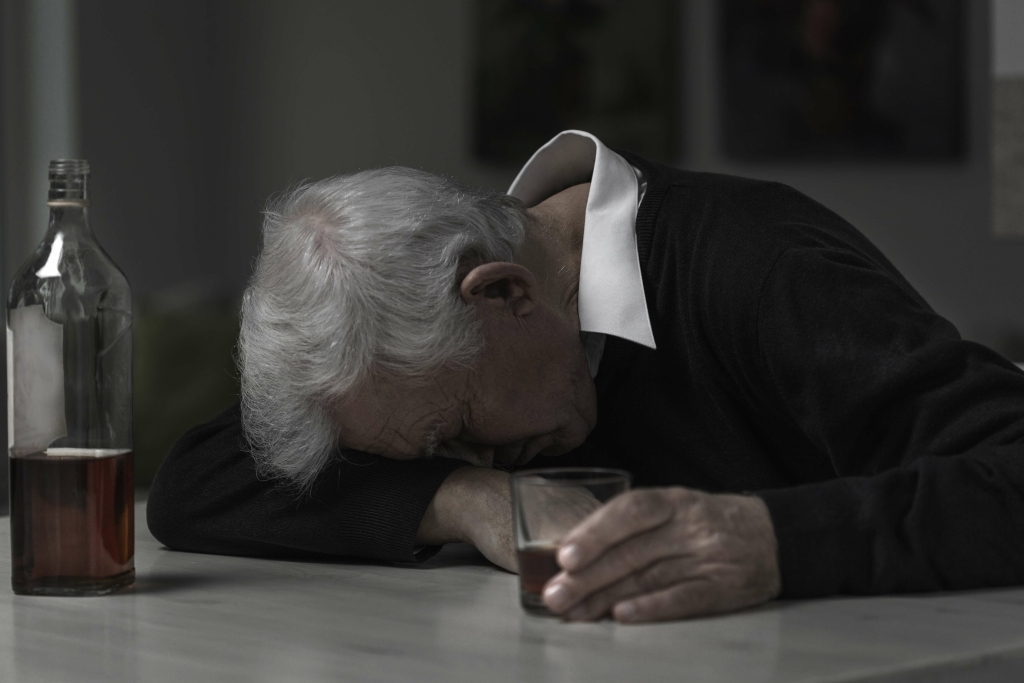
By Heidi Moawad, MDHeidi Moawad is a neurologist and expert in the field of brain health and neurological disorders. Dr. Moawad regularly writes and edits health and career content for medical books and publications. Especially if you have been drinking heavily for many years, coping with alcohol use disorder is not easy. But with the proper resources to help, you are better set up for success with sobriety. Heidi Moawad is a neurologist and expert in the field of brain health and neurological disorders. At The Ohana Hawaii, we are committed to helping individuals and families navigate the challenges of addiction with evidence-based, holistic, and adventure-based therapies.