Seeking help can also improve overall physical and mental health, as addiction can have significant impacts on both. Doctors can prescribe anticoagulant medications, such as heparin and warfarin, when blood is thick and a person has an increased risk of blood clots, stroke, or heart attack. Some studies indicate that excessive drinking can lead to thicker blood.
Can alcohol thin the blood enough to prevent or treat blood clots?
They work by keeping your blood from sticking together in a clump (clotting). Blood thinners keep a clot where it is and from getting bigger and prevent new clots from forming. They can also allow your body to absorb the clot through the walls of your veins over time.
Can alcohol thin the blood enough to cause excessive bleeding?
Beyond platelets, alcohol also impacts other components of the coagulation system. It can lower levels of fibrinogen, a protein produced by the liver that is essential for forming the fibrin mesh that stabilizes a blood clot. Furthermore, alcohol drug addiction treatment can affect the fibrinolytic system, which is responsible for breaking down existing blood clots.
Can alcohol’s blood-thinning effect impact the results of medical procedures?
- This suppression can lead to thrombocytopenia, a condition characterized by an abnormally low number of circulating platelets.
- Understanding alcohol’s blood-thinning effect is important for safety.
- An enlarged spleen or hypersplenism can lead to thin blood, and can cause platelets to get caught inside the spleen.
- When combined with these medications, alcohol can increase the risk of bleeding due to a compounded effect.
Platelets clump together to form plugs that stop bleeding at injury sites. Alcohol reduces platelet aggregation, making it harder for clots to form. This effect is dose-dependent—small amounts might mildly inhibit platelets, while heavy drinking causes significant suppression.
- Drinking alcohol can lead to a temporary increase in blood pressure, which is generally not harmful to people with healthy blood pressure.
- If you or someone you know is struggling with alcohol addiction, seeking professional help is vital.
- A balanced diet and healthy habits are essential for keeping blood viscosity at healthy levels.
- Chronic heavy drinking damages the liver, reducing its ability to make these proteins.
- Additionally, chronic alcohol consumption can lead to changes in the body’s ability to regulate blood clotting.
How Much Wine is OK?
Start your journey today on the road to recovery by reaching out to our friendly addiction managers who will be able to tell you the best next steps in treating your addiction. However, sometimes treating the underlying cause may not change the platelet count, and the blood will remain thin. Thin blood presents problems with clotting, wound healing, and bruising. The body creates platelets in bone marrow and stores an amount of them in the spleen.

Combining alcohol with Warfarin can alter the drug’s effectiveness, making it difficult to maintain balance. Furthermore, mixing alcohol with over-the-counter antiplatelet drugs like aspirin significantly increases the risk of gastrointestinal bleeding and stomach ulcers. Anyone taking blood thinners should limit or avoid alcohol consumption and consult a physician before drinking. This deficiency can severely compromise the blood’s ability to form a stable clot, leading to a high risk of bleeding or hemorrhage. Paradoxically, heavy drinking can also lead to an increased risk of blood clots due to platelet rebound. When it comes to alcohol consumption and its impact on blood thinning, there are both potential benefits and risks involved.
Additionally, alcohol abuse can contribute to vitamin deficiencies, particularly vitamin K, which plays a crucial role in blood coagulation. While moderate alcohol consumption may have some minimal impact on blood clotting, it is not recommended to rely on alcohol as a reliable blood thinner. If you have concerns about blood clotting or are taking medications that affect blood thinning, it is important to consult with a healthcare professional for personalized advice. Remember, moderation and responsible drinking habits are key to maintaining overall health and well-being.
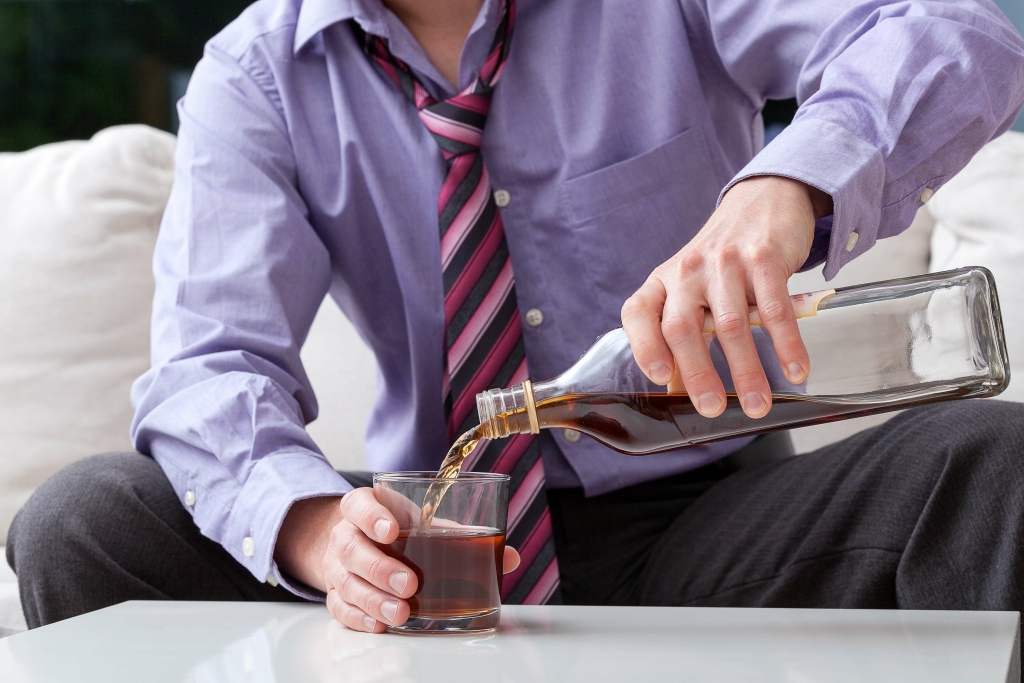
Understanding the true impact of beer requires examining the physiological effects of its main ingredient, ethanol. Several studies have examined the effects of alcohol on blood clotting. While some suggest that moderate alcohol consumption may have a slight anticoagulant effect, meaning it may potentially inhibit blood clot formation, the evidence is not definitive. Other studies have found no significant impact of alcohol on blood clotting factors. It is worth mentioning that excessive alcohol consumption can have negative effects on the blood clotting process as well.
- Given these effects, the interaction of alcohol and blood thinners is complex and highlights the necessity for caution in patients taking these medications.
- Alcohol use, especially when it’s excessive, can also introduce greater risks to your health.
- Doctors at JourneyPure.com adhere to stringent sourcing guidelines and cite only trustworthy sources of information when giving the patient a diagnosis.
- Platelets are the first responders in hemostasis, acting like sticky patches that rush to the site of an injury to form a preliminary plug.
- However, reliance on alcohol for vasodilation is precarious and overshadowed by the well-documented negative impacts of heavier or chronic usage.
Dangers of Mixing Alcohol and Blood Thinners
It also suggests long-term alcohol use may increase the dose requirements for general anesthesia. Healthcare professionals treat AUD best alcohol to thin blood with medications and behavioral therapies. They may also recommend joining a support group for individuals with AUD.
Safe Practices and Medical Consultation
Moderate amounts might provide slight cardiovascular benefits linked to improved circulation through mild thinning mechanisms. However, heavy or binge drinking causes serious risks like uncontrolled bleeding due to impaired liver function alongside excessive anticoagulation effects from ethanol itself. These blood thinners are also called as anticoagulants The process of thinning of blood can occur by allopathic medications , home remedies and by following a proper diet. Understanding the relationship between alcohol and blood clotting is crucial, as it can have important health implications.