They can help you understand the risks and recommend substance abuse treatment. Rhinophyma is typically diagnosed based on a physical examination by your local medical doctor or dermatologist. However, a skin biopsy may sometimes be necessary to rule out other conditions.
The Importance of Supportive Communities
Tell them about your struggles and how your alcoholism is agitating your rosacea. Alcohol abuse can lead to serious health problems, so getting help is crucial if you think you or a loved one may have a problem. There are many treatment options available, and with the assistance of a medical professional, you can develop a plan that’s right for you.
Does Excessive Alcohol Use Cause Rhinophyma?

High blood pressure, in particular, puts added stress on small facial blood vessels, contributing to darker or purplish tones. Early on, the nose may flush easily or stay red longer after heat, stress, or alcohol. If you are suffering from an alcoholic nose and are an alcoholic, you can get help. For help with rhinophyma, you can get in touch with your dermatologist or your general practitioner. They can help prescribe a lotion or medication that you can take to reduce the inflammation and lower the visible symptoms of your rosacea. By looking at it from this perspective, someone with agitated rosacea or rhinophyma will have a visible agitation of their skin.
Meloxicam and Alcohol: Risks, Interactions & Safe Alternatives
Rhinophyma or a gin blossom nose may not directly result from heavy drinking. However, chronic, excessive alcohol use can cause physical effects like extreme capillary dilation and a red nose or face. Over time, the damaged capillaries rise to the skin’s surface, causing a red appearance to the face and visible blood vessels. Individuals who abstain from alcohol can still develop the condition. However, alcohol consumption is a known trigger that can cause temporary flushing and vasodilation, potentially exacerbating the underlying rosacea.
Related Conditions
It requires determination, support, professional guidance, and a commitment to leading a healthier lifestyle. Remember, recovery is a personal and unique journey, and everyone deserves compassion and understanding along the way. The Recovery Village Indianapolis offers comprehensive addiction treatment for drug and alcohol addictions and co-occurring mental health conditions. While alcohol may not be a valid cause of rhinophyma, it may worsen the condition. gin nose Rosacea is often a precursor to rhinophyma, and this skin condition also worsens with alcohol use.
- Finally, acne rosacea advances to late-stage rosacea, and rhinophyma is an aspect of this.
- Many individuals with rhinophyma have no history of heavy drinking, and conversely, many heavy drinkers never develop the condition.
- A combination of medication and lifestyle changes can help manage the rosacea that leads to rhinophyma.
- While rhinophyma is often dubbed “alcoholic nose,” the reality is that it’s a type of rosacea — meaning that heavy drinking isn’t actually linked to it.
Someone with alcoholism does not necessarily need to have rosacea to be an alcoholic. Basal cell carcinoma is a slow-growing type of skin cancer that is not typically fatal. However, if severe cases are left untreated, it can cause disfigurement. Treatment for basal cell carcinoma usually involves surgery to remove the affected tissue. If you or someone you love is struggling with alcoholism, getting help as soon as possible is essential. Alcohol addiction is a serious condition that can lead to health, relationship, and financial problems.
It is believed that he humorously referred to this condition as his “gin blossoms,” insinuating that his nose’s appearance was a consequence of his gin consumption. It is not necessary that everyone who has Rosacea also has Rhinophyma, as Rhinophyma is the most severe type of Rosacea – but Rosacea can still be a common cause of Rhinophyma. Similarly, just because some people experience reddening skin while drinking, there is no solid evidence to link the skin condition to alcohol consumption. For more advanced forms of rhinophyma, the most effective way to manage thickened skin is almost exclusively through physically removing excess tissue. Sometimes, this can include relying on ablative lasers or electrical currents (a treatment known as diathermy) to help remove excess tissue. So, alcohol may not be the primary cause of “alcoholic nose.” However, it does cause red, inflamed skin and can trigger rosacea and rhinophyma.
- Fields and his association with heavy gin consumption, rhinophyma can develop due to various factors.
- However, as Rhinophyma develops with the worsening of Rosacea and drinking can have that effect, drinking can worsen an existing Rhinophyma problem.
- Chronic alcohol abuse can lead to a cascade of health problems that significantly impact an individual’s quality of life.
Why Do Alcoholics Have A Purple or Red Nose?
At The Recovery Village Palmer Substance abuse Lake, we understand that health challenges often interconnect in complex ways. Our comprehensive approach addresses multiple aspects of health and wellness, ensuring that people receive appropriate care for all their concerns. People with these early symptoms should seek evaluation from a dermatologist who can provide appropriate diagnosis and treatment recommendations.
How Is Rhinophyma Diagnosed?
Diagnosing rhinophyma primarily relies on a clinical examination of the nose’s characteristic appearance. Early intervention is important, as medical treatments can help manage the condition in its initial stages and potentially slow its progression. These may include topical medications like metronidazole and oral antibiotics such as doxycycline, which aim to reduce inflammation and control rosacea symptoms. Treating a gin nose typically involves a combination of medical and surgical interventions.
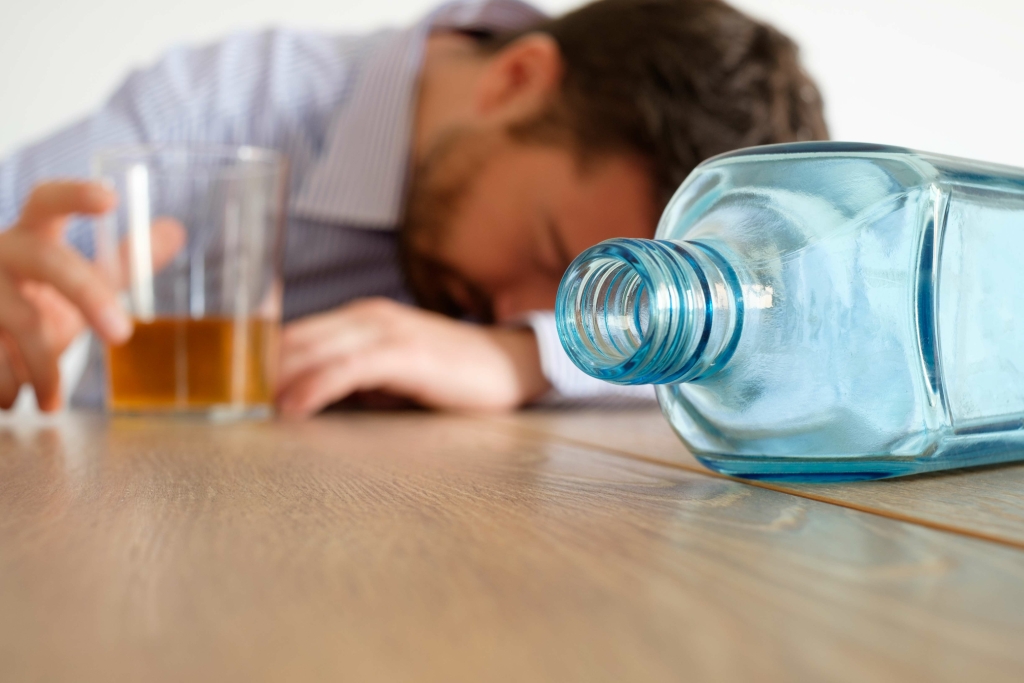
These include oral antibiotics to reduce inflammation, topical creams to control redness and irritation, and retinoids to slow skin thickening. While these medications help with symptoms, they do not reverse existing tissue changes. Rhinophyma is a progressive skin condition that affects the nose, causing it to become enlarged, red, and bumpy in appearance.
Keep reading to learn more about the causes, symptoms, diagnosis, and treatment of rhinophyma. JP Morgan suffered from severe rhinophyma to the extent that he would not allow anyone to photograph him without his permission. In fact, there is a picture in the Library of Congress that depicts him, in one such scenario, attempting to strike a photographer with his cane. If you have rosacea on the nose, your treatment will depend on the type of rosacea it is. Recent research suggests that rosacea may be caused by the intestinal bacteria Helicobacter pylori or a skin mite called Demodex, which carries a certain type of bacterium. Capsules such as Oral isotretinoin are typically administered to stop skin glands from secreting oils and to make the situation worse.

Some people might be prescribed a low dose course of isotretinoin (Accutane) to help shrink enlarged oil glands that might also be contributing to skin thickening and symptoms. Topical retinoids might also be recommended for anyone who catches the condition in its early stages. Even a single alcoholic drink can cause flare-ups for many people with this condition. A survey by the National Rosacea Society found that red wine was the most common culprit, followed by white wine and beer. Now, let’s delve into the science behind this intriguing phenomenon. Chronic alcohol use can lead to the dilation of blood vessels near the surface of the skin, causing them to become more prominent.