Stopping alcohol, however, can make healing possible that would not be otherwise. Heavy alcohol use is expensive, potentially costing you $800 each month or even more. Stopping alcohol won’t just put a bit of extra change in your pocket; it has the potential to have a sizable impact on your income and the lifestyle you can live. Many involve a combination of group psychotherapy (talk therapy) and medications. The main management for severe symptoms is long-acting benzodiazepines — typically IV diazepam or IV lorazepam. These milestones are hugely important and knowing that they will come is hugely reassuring to people in recovery.
Quitting Alcohol: A Practical Guide to What Happens When You Stop Drinking
There are people out there who have been where you are and want to help. Journaling is a powerful tool to uncover your reasons for drinking, understand old patterns, and work through how to change them. Our brains don’t like this artificial imbalance and will try to overcompensate by decreasing the amount of GABA and increasing the production of glutamate. Dr Katinka van de Ven is the Research Manager of Hello Sunday Morning.
Live your life healthier and happier with our free weekly Living Well newsletter
Alcohol (ethanol) depresses (slows down) your central nervous system (CNS). If you consistently consume significant amounts of what happens when you quit drinking alcohol alcohol, your CNS gets used to this effect. Your CNS must work harder to overcome the depressant effects of alcohol to keep your body functioning. Go to the nearest emergency room or call 911 (or your local emergency service number) if you or a loved one has any concerning symptoms of alcohol withdrawal.
- Our advisory council brings together leaders in behavioral health, technology, and business.
- Moderate or binge drinkers can likely quit alcohol on their own.
- “The one-year mark is when your overall risk of different cancers has leveled off,” says Dr. Mosquera.
- These effects can also be exacerbated if you have a mental health diagnosis like bipolar disorder, he says.
The First Month
When alcohol is removed from the diet, inflammation decreases, improving cardiovascular health. Reduced alcohol intake also helps in managing weight, further enhancing heart health. These changes can contribute to better circulation and overall well-being.
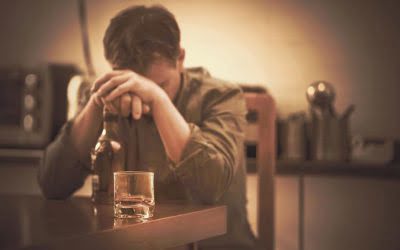
We’ll also discuss safe, effective ways to stop drinking and provide information on treatment options—especially if you’re in Colorado and seeking professional help. Quitting alcohol has profound effects on your mental health, too. Studies have shown that Alcohol Use Disorder continuous alcohol consumption may increase the risk of anxiety and depression. After six months without alcohol, many people report an increase in clarity, focus, and memory function.
When alcohol is abruptly removed from the body, common withdrawal symptoms often emerge within hours to a couple days8, including tremors, sweating, nausea, vomiting, and headaches. Many people also experience rapid heart rate, elevated blood pressure, and restlessness. Getting your liver or blood pressure checked by your doctor can help you feel motivated to continue the journey of recovery, and reduce long-term effects of alcohol on the body.
- While the first few days can be challenging, the difficulty is temporary and the benefits are lasting.
- The first few days can be challenging, but the benefits begin almost immediately and continue building for months.
- “Alcohol is a monkey wrench in our homeostasis,” says Dr. Mosquera.
Mild to moderate symptoms of alcohol withdrawal include:
If you are struggling with addiction and co-occurring mental health, our expert team is here to guide you every step of the way. Even just one bout of drinking too much may weaken your body’s germ-fighting power for up to 24 hours. Over time, large amounts of alcohol blunt your immune system and your body’s ability to repair itself. It’s difficult to predict who will and who won’t experience alcohol withdrawal — and how severe it will be. When you stop consuming alcohol after prolonged, heavy use, your CNS can’t respond or regulate itself fast enough. It becomes overexcited because there’s no more alcohol to slow it down.
More in Healthy Eating

The first day after you quit drinking alcohol, it may feel pretty easy to stick to your commitment to not drinking. Those not physically dependent on alcohol likely will not have any significant physical changes. Still, you may wake up feeling more alert in the mornings and having more energy throughout the day. If you’re a heavy drinker, you’re at an increased risk of developing certain diseases, such as cancer, heart disease, and stroke. However, when you stop drinking, your risk of developing these diseases decreases. After half a year without drinking, you will really start to reap the rewards.
Although recovering from alcohol addiction is a life-long journey, making it through the first year after you stop drinking is a milestone to be proud of. Alcohol is “empty calories,” meaning that it is full of calories without any nutritional value. When you refrain from drinking after a couple of months, you will notice that you are naturally losing weight.